
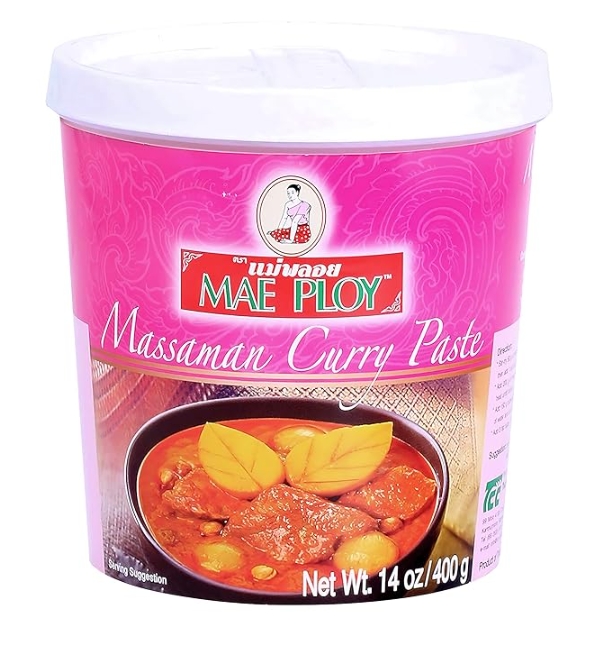
Mae Ploy Massaman Curry Paste, Authentic Thai Masaman Curry Paste For Thai Curries And Other Dishes, Aromatic Blend Of Herbs, Spices And Shrimp Paste (14 oz Tub)
- with Mae Ploy Thai curry paste, serving up the same great taste that you’ve enjoyed during your last vacay in The Land of Smiles or of your favorite Thai restaurant may now be easier.
Unlocking the Secrets of Thailand’s Most Beloved Curry Paste for Home Cooks Everywhere
The aromatic whisper of cardamom mingles with the warmth of cinnamon, while dried chilies dance with galangal in a symphony of flavors that could only come from one source: Mae Ploy Massaman Curry Paste. This remarkable condiment represents more than just an ingredient—it’s a culinary passport to the heart of Thai cuisine, offering home cooks worldwide the opportunity to create restaurant-quality dishes that capture the essence of Thailand’s rich culinary heritage.
In the bustling markets of Bangkok and the quiet kitchens of rural Thai villages, the deep, complex flavors of Massaman curry have been cherished for generations. Now, through the convenience and authenticity of Mae Ploy Massaman Curry Paste, these time-honored tastes are accessible to anyone with a passion for exceptional cooking. Whether you’re a seasoned chef or an enthusiastic home cook taking your first steps into Thai cuisine, this remarkable paste opens doors to a world of culinary possibilities that extend far beyond traditional boundaries.
Understanding the Magic: What is Mae Ploy Massaman Curry Paste Used For?
Mae Ploy Massaman Curry Paste serves as the foundation for one of Thailand’s most internationally beloved dishes: Massaman curry. This rich, aromatic curry paste transforms simple ingredients into complex, deeply satisfying meals that showcase the perfect balance between heat, sweetness, and savory depth that defines exceptional Thai cooking.
The primary use of this exceptional paste lies in creating traditional Massaman curry, a dish that stands apart from other Thai curries due to its Persian and Indian influences. Unlike the bright, herbaceous notes of green curry or the coconut-forward richness of red curry, Massaman curry offers a more complex flavor profile that incorporates warming spices traditionally associated with Middle Eastern and Indian cuisines. This unique characteristic makes Mae Ploy Massaman Curry Paste an invaluable ingredient for creating dishes that bridge culinary cultures while maintaining authentic Thai roots.
Beyond its traditional application, this versatile paste serves as an excellent base for marinades, particularly for grilled meats and vegetables. The complex spice blend penetrates proteins beautifully, creating layers of flavor that develop during cooking. Many creative cooks have discovered that a small amount of Mae Ploy Massaman Curry Paste can transform simple roasted vegetables into an exotic side dish, or elevate a basic soup into something extraordinary.
The paste also works wonderfully as a flavor enhancer in fusion cooking, where traditional Thai elements meet contemporary culinary techniques. From curry-spiced mayonnaise for gourmet sandwiches to complex dipping sauces for appetizers, the applications are limited only by imagination and culinary creativity.
Mastering the Art: How to Cook with Mae Ploy Massaman Curry Paste
Cooking with Mae Ploy Massaman Curry Paste requires understanding both technique and timing to achieve the depth of flavor that makes this curry so special. The process begins with properly blooming the paste, a crucial step that many home cooks overlook but which professional chefs consider essential for developing the full flavor potential.
Start by heating a heavy-bottomed pot or wok over medium heat. Add a small amount of coconut oil or neutral cooking oil, then introduce two to three tablespoons of Mae Ploy Massaman Curry Paste. The key here is patience—allow the paste to cook slowly, stirring constantly, until it becomes fragrant and begins to darken slightly. This blooming process, which typically takes three to five minutes, releases the essential oils from the spices and creates the aromatic foundation upon which your entire dish will build.
Once the paste is properly bloomed, gradually add coconut milk, starting with just a few tablespoons to create a thick, concentrated base. This technique, known as “cracking the coconut milk,” helps emulsify the paste and coconut milk, creating a smooth, cohesive sauce rather than a separated mixture. Continue adding coconut milk slowly, stirring constantly, until you achieve your desired consistency.
The traditional approach involves using thick coconut milk first, followed by thinner coconut milk or stock to reach the proper consistency. For a standard Massaman curry serving four people, you’ll typically use one 14-ounce can of coconut milk, though adjustments can be made based on personal preference and the specific ingredients being used.
When adding proteins, timing becomes crucial. Tougher cuts of meat like beef chuck or lamb shoulder should be added early in the cooking process, allowing them to braise slowly in the curry until tender. Chicken and seafood require less cooking time and should be added later to prevent overcooking. Vegetables should be added in stages based on their cooking times, with root vegetables going in first and delicate greens added at the very end.
Heat Level Decoded: Is Mae Ploy Massaman Curry Paste Spicy?
One of the most common concerns about Mae Ploy Massaman Curry Paste relates to its heat level, and understanding this aspect is crucial for successful cooking. Compared to other Thai curry pastes, Massaman falls on the milder end of the spectrum, making it an excellent choice for those who appreciate complex flavors without overwhelming heat.
The spice level of Mae Ploy Massaman Curry Paste can be described as moderate, typically registering between mild to medium heat depending on individual tolerance. The chilies used in the paste are balanced by sweet and aromatic spices, which temper the heat and create a more nuanced flavor experience. This makes it particularly appealing to Western palates that might find green or red curry pastes too intense.
However, it’s important to note that heat perception varies significantly among individuals, and what feels mild to one person might feel quite spicy to another. The heat in Massaman curry builds gradually rather than hitting immediately, allowing diners to appreciate the complex flavor layers before the warmth settles in. This characteristic makes it an excellent choice for dinner parties or family meals where heat preferences might vary.
For those concerned about spice levels, the heat can be easily moderated through several techniques. Using more coconut milk or adding a touch of palm sugar or brown sugar can help balance any perceived heat. Additionally, serving the curry with jasmine rice provides a neutral base that absorbs and mellows the spices. For those who prefer more heat, a small amount of fresh sliced chilies or a dash of chili oil can be added during cooking or as a garnish.
The beauty of Mae Ploy Massaman Curry Paste lies in its balance—it provides enough heat to be interesting and authentic while remaining accessible to a wide range of palates. This makes it an ideal starting point for those new to Thai cooking while still satisfying experienced enthusiasts who appreciate authentic flavors.
Ingredient Spotlight: The Complex Composition of Mae Ploy Massaman Curry Paste
The magic of Mae Ploy Massaman Curry Paste lies in its carefully balanced blend of traditional ingredients, each contributing to the paste’s distinctive flavor profile. Understanding these components helps home cooks appreciate the complexity they’re working with and make informed decisions about complementary ingredients and cooking techniques.
Dried red chilies form the base of the paste, providing both heat and a deep, smoky flavor that comes from the drying process. These aren’t just any chilies—traditional Massaman paste uses specific varieties that contribute particular flavor notes while maintaining the desired heat level. The chilies are typically rehydrated and ground into a smooth paste, creating the foundation upon which other flavors build.
Galangal, often confused with ginger but distinctly different in flavor, provides a sharp, piney quality that’s essential to authentic Thai cooking. This rhizome contributes a brightness that cuts through rich coconut milk while adding complexity that regular ginger simply cannot match. In Mae Ploy Massaman Curry Paste, galangal works in harmony with actual ginger to create layers of warming, aromatic heat.
Lemongrass brings its characteristic citrusy fragrance and subtle flavor, while kaffir lime peel adds an intensely aromatic quality that’s uniquely Thai. These citrus elements provide brightness and freshness that balance the earthier spices and prevent the paste from becoming too heavy or one-dimensional.
The paste also contains shallots and garlic, which provide savory depth and sweetness when cooked. These aromatics form the backbone of many Thai dishes and are essential for creating the complex flavor base that makes Mae Ploy Massaman Curry Paste so versatile and satisfying.
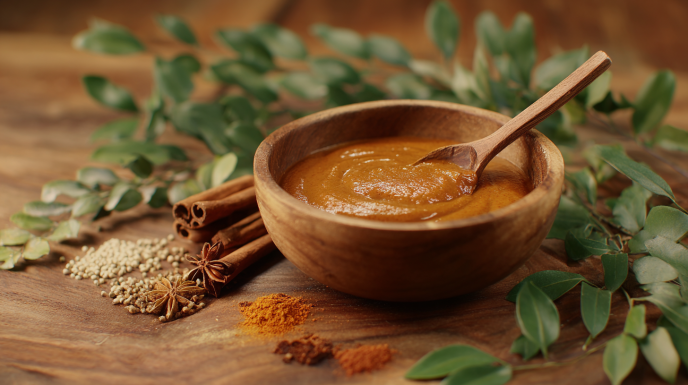
What sets Massaman paste apart from other Thai curry pastes are the warming spices that reflect its Persian and Indian influences. Cinnamon, cardamom, star anise, and sometimes nutmeg create the distinctive flavor profile that makes Massaman curry unique among Thai dishes. These spices are typically dry-roasted before being ground and incorporated into the paste, intensifying their flavors and creating the warm, aromatic quality that defines authentic Massaman curry.
Coriander seeds, both the roots and seeds, contribute an earthy, slightly citrusy flavor, while white peppercorns add a different type of heat than the chilies—one that’s more aromatic and less sharp. Dried shrimp paste, a common ingredient in Thai cooking, provides umami depth and a subtle seafood flavor that enhances the overall complexity without overwhelming other ingredients.
Authenticity Matters: Is Mae Ploy Massaman Curry Paste Truly Thai?
The question of authenticity in Thai cuisine is both important and complex, particularly when discussing commercially produced curry pastes like Mae Ploy Massaman Curry Paste. Mae Ploy, as a brand, has established itself as a respected name in Thai food production, with deep roots in Thailand’s culinary tradition and a commitment to maintaining authentic flavors in their products.
Mae Ploy curry pastes are produced in Thailand using traditional recipes and techniques that have been refined over decades of commercial production. The company understands that authenticity isn’t just about using the right ingredients—it’s about balancing those ingredients in proportions that reflect genuine Thai culinary traditions while maintaining consistency across large-scale production.
Mae Ploy Massaman Curry Paste contains the traditional ingredients found in authentic Massaman curry paste, including the characteristic warming spices that distinguish this curry from others in the Thai repertoire. The paste is made without artificial colors or excessive preservatives, focusing instead on creating a product that delivers genuine Thai flavors in a convenient format.
However, it’s important to understand that commercial curry pastes, no matter how authentic, represent a standardization of flavors that might vary significantly in traditional home cooking. In Thailand, families often have their own variations of curry paste recipes, passed down through generations and adapted to personal preferences and regional availability of ingredients. This means that while Mae Ploy Massaman Curry Paste is authentically Thai, it represents one interpretation of Massaman curry rather than the definitive version.
The paste’s authenticity is further supported by its widespread use in Thailand itself, where it’s commonly found in home kitchens and restaurants. Many Thai cooks appreciate the convenience and consistency that commercial pastes provide, using them as a base and adjusting flavors with additional ingredients as needed. This practical approach to authentic cooking reflects the modern reality of Thai cuisine, where tradition and convenience often work together to create delicious results.
For home cooks outside Thailand, Mae Ploy Massaman Curry Paste represents an excellent opportunity to experience authentic Thai flavors without the significant time investment required to make curry paste from scratch. The paste provides a solid foundation for authentic dishes while allowing cooks to add their own touches and adjustments based on personal preferences and available ingredients.
Plant-Based Possibilities: Using Mae Ploy Massaman Curry Paste for Vegetarian Dishes
The versatility of Mae Ploy Massaman Curry Paste extends beautifully into vegetarian and plant-based cooking, where its complex flavor profile can transform simple vegetables into extraordinary dishes. The rich, warming spices in the paste complement a wide variety of vegetables, creating satisfying meals that don’t rely on meat for flavor or substance.
Root vegetables work particularly well with Massaman curry flavors. Sweet potatoes, which are traditional in Massaman curry, provide natural sweetness that balances the spices while offering substantial texture. Carrots, parsnips, and turnips all develop beautiful caramelized flavors when slow-cooked in curry, while potatoes provide heartiness and help thicken the sauce naturally.
Eggplant, a favorite in many Thai dishes, absorbs the curry flavors beautifully while contributing its own subtle taste and satisfying texture. Japanese eggplant works particularly well due to its tender skin and mild flavor, but regular eggplant can be used with excellent results when properly prepared. The key is cutting the eggplant into appropriate sizes and adding it at the right time to prevent it from becoming mushy.
Mushrooms bring umami depth to vegetarian Massaman curry, with varieties like shiitake, oyster, or even simple button mushrooms adding substantial flavor and texture. The earthy notes in mushrooms complement the warming spices in Mae Ploy Massaman Curry Paste, creating layers of savory flavor that make meat unnecessary.
Bell peppers, snap peas, and green beans add color and textural variety, while providing fresh, crisp elements that balance the rich curry sauce. These vegetables should be added later in the cooking process to maintain their texture and bright flavors.
For protein, tofu serves as an excellent option when properly prepared. Firm or extra-firm tofu should be pressed to remove excess moisture, then either pan-fried until golden or frozen and thawed to create a more porous texture that absorbs flavors better. Tempeh offers another protein option with its nutty flavor and firm texture that holds up well in curry.
Legumes like chickpeas, black beans, or green lentils can transform vegetarian Massaman curry into a complete, protein-rich meal. These should be pre-cooked and added toward the end of cooking to warm through without becoming mushy. The earthiness of legumes pairs beautifully with the complex spices in the paste.
Shopping Guide: Where to Find Mae Ploy Massaman Curry Paste
Finding Mae Ploy Massaman Curry Paste has become increasingly easy as Thai cuisine’s popularity has grown worldwide, though knowing where to look can save time and ensure you’re getting authentic products at reasonable prices.
Asian grocery stores represent the most reliable source for Mae Ploy Massaman Curry Paste, often carrying the full range of Mae Ploy products at competitive prices. These stores typically have knowledgeable staff who can provide guidance on usage and may carry additional Thai ingredients that complement curry cooking. The selection at Asian markets is usually extensive, and prices are often lower than mainstream grocery stores due to direct importing relationships and higher turnover.
Many mainstream supermarkets now carry Mae Ploy products in their international aisles, particularly chains that emphasize diverse food offerings. While the selection might be more limited than specialty stores, the convenience factor makes these locations attractive for regular shopping. The paste is typically shelf-stable and doesn’t require refrigeration until opened, making it easy to stock up when found.
Online retailers have made Mae Ploy Massaman Curry Paste accessible regardless of geographic location, with many offering bulk purchasing options that can be cost-effective for frequent users. When purchasing online, pay attention to expiration dates and seller ratings to ensure product freshness and authenticity. Some online specialty food retailers focus specifically on Asian ingredients and may offer better selection and expertise than general retailers.
Health food stores and specialty cooking stores sometimes carry Mae Ploy products, particularly those that emphasize international or organic foods. While prices might be higher at these locations, the staff often has good knowledge about the products and can provide cooking advice.
When shopping for Mae Ploy Massaman Curry Paste, look for containers that are well-sealed and check expiration dates to ensure freshness. The paste typically comes in small cans or jars, with can sizes ranging from small single-use portions to larger containers suitable for multiple meals. Consider your usage patterns when selecting size—while larger containers offer better value, the paste has a limited shelf life once opened.
Dietary Considerations: Is Mae Ploy Massaman Curry Paste Gluten-Free?
For those following gluten-free diets, understanding the ingredients in Mae Ploy Massaman Curry Paste is crucial for safe consumption. The good news is that traditional Massaman curry paste ingredients are naturally gluten-free, consisting primarily of chilies, herbs, spices, and aromatics that don’t contain wheat, barley, or other gluten-containing grains.
Mae Ploy Massaman Curry Paste is generally considered gluten-free, as it contains traditional ingredients like dried chilies, galangal, lemongrass, garlic, shallots, and various spices that are naturally free from gluten. However, as with any processed food product, there are important considerations to keep in mind for those with celiac disease or severe gluten sensitivity.
Cross-contamination during manufacturing is always a concern with processed foods, and while Mae Ploy focuses on traditional ingredients, their facilities may process other products that contain gluten. For individuals with severe gluten sensitivity, checking with the manufacturer or looking for specific gluten-free certification on packaging provides additional assurance.
Some curry pastes include soy sauce or other fermented ingredients that might contain gluten, though this is less common in traditional Massaman paste recipes. Reading ingredient labels carefully is always recommended, particularly for those with severe allergies or sensitivities. The ingredient list on Mae Ploy Massaman Curry Paste should be straightforward and recognizable, consisting primarily of the traditional herbs and spices used in authentic Thai cooking.
When using the paste in complete meals, remember that other ingredients in your curry might introduce gluten. Soy sauce, which is commonly used in Thai cooking, often contains wheat unless specifically labeled as gluten-free. Fish sauce, another common Thai ingredient, is typically gluten-free but should be verified if you’re particularly sensitive.
For those following strict gluten-free diets, Mae Ploy Massaman Curry Paste can be an excellent foundation for creating safe, flavorful meals when combined with naturally gluten-free ingredients like rice, vegetables, and proteins. The complex flavors in the paste mean that simple, naturally gluten-free ingredients can create sophisticated, satisfying dishes without the need for potentially problematic additives or flavor enhancers.
Storage Solutions: Shelf Life and Preservation of Mae Ploy Massaman Curry Paste
Proper storage of Mae Ploy Massaman Curry Paste ensures maximum flavor retention and food safety while extending the useful life of this valuable ingredient. Understanding storage requirements helps home cooks make the most of their investment while maintaining the quality that makes this paste so special.
Unopened Mae Ploy Massaman Curry Paste has an impressive shelf life, typically lasting 2-3 years when stored in a cool, dry place away from direct sunlight. The paste’s high salt content and concentrated nature act as natural preservatives, allowing for extended storage without refrigeration. However, extreme temperatures should be avoided, as they can affect flavor and texture over time.
Once opened, the storage requirements change significantly. Mae Ploy Massaman Curry Paste should be refrigerated immediately after opening and can maintain quality for 6-12 months when properly stored. The key to maximizing shelf life after opening lies in preventing contamination and minimizing air exposure.
Transfer the paste to an airtight container if the original packaging doesn’t seal well, or ensure the original container is tightly closed after each use. Glass containers with tight-fitting lids work excellently for storage, as they don’t absorb flavors or odors and can be easily cleaned. Some cooks prefer to portion the paste into ice cube trays, freezing individual servings that can be used as needed without repeatedly exposing the entire quantity to air and temperature changes.
When refrigerated, Mae Ploy Massaman Curry Paste may develop a thin layer of oil on top, which is completely normal and doesn’t indicate spoilage. Simply stir the paste before using to reincorporate the separated oils. The paste should maintain its deep red color and aromatic fragrance when properly stored. Any signs of mold, off-odors, or significant color changes indicate that the paste should be discarded.
Freezing offers another storage option for extending the life of opened Mae Ploy Massaman Curry Paste. The paste can be frozen in small portions, allowing you to thaw only what’s needed for each cooking session. Ice cube trays work well for this purpose, with each cube representing approximately one tablespoon of paste. Once frozen solid, the cubes can be transferred to freezer bags for longer-term storage, lasting 6-12 months in the freezer while maintaining good quality.
Perfect Pairings: Best Meats for Massaman Curry
The rich, complex flavors of Mae Ploy Massaman Curry Paste complement a wide variety of meats, with certain cuts and types creating particularly harmonious combinations that showcase both the paste’s versatility and the proteins’ natural characteristics. Understanding these pairings helps home cooks create exceptional dishes that highlight the best aspects of both ingredients.
Beef represents perhaps the most traditional and popular choice for Massaman curry, with chuck roast being the gold standard for this application. The tough connective tissues in chuck roast break down beautifully during the slow cooking process that Massaman curry requires, creating tender, succulent meat that absorbs the complex curry flavors while contributing its own rich, beefy taste. The marbling in chuck roast adds richness to the curry sauce, while the extended cooking time allows the Mae Ploy Massaman Curry Paste spices to penetrate deeply into the meat.
Short ribs offer another excellent beef option, providing even more richness and flavor than chuck roast. The bones contribute additional depth to the curry, while the meat becomes incredibly tender when braised slowly in the aromatic curry sauce. Bone-in short ribs require longer cooking times but reward patience with exceptional flavor and texture that epitomize comfort food at its finest.
Lamb works beautifully with Massaman curry, particularly shoulder cuts that benefit from slow cooking. The slightly gamey flavor of lamb complements the warming spices in Mae Ploy Massaman Curry Paste, creating a sophisticated dish that bridges Middle Eastern and Thai culinary traditions. The natural fat content in lamb shoulder keeps the meat moist during cooking while contributing richness to the overall dish.
Chicken offers a more accessible option that cooks more quickly than red meats. Thighs work better than breasts for Massaman curry, as their higher fat content and more robust flavor stand up better to the complex spices. Bone-in thighs contribute additional flavor and are less likely to overcook than boneless options. The skin should typically be removed before cooking to prevent greasiness in the finished curry.
Pork, while less traditional, creates delicious Massaman curry when using appropriate cuts. Pork shoulder or Boston butt work excellently, offering rich flavor and tender texture when slow-cooked. The natural sweetness in pork complements the warming spices in the paste, while the meat’s ability to absorb flavors makes it an excellent canvas for the complex curry sauce.
Duck presents a luxurious option for special occasions, with leg meat being particularly suitable for curry preparation. The rich, distinctive flavor of duck pairs beautifully with the aromatic spices in Mae Ploy Massaman Curry Paste, creating an elegant dish that showcases the sophistication possible with this humble paste.
Allergen Awareness: Nut Content in Mae Ploy Massaman Curry Paste
Understanding the allergen content of Mae Ploy Massaman Curry Paste is crucial for those with food allergies, particularly nut allergies, which can be severe and life-threatening. Traditional Massaman curry recipes sometimes include peanuts or other nuts, making this an important consideration for safe consumption.
Mae Ploy Massaman Curry Paste typically does not contain peanuts or tree nuts as primary ingredients, focusing instead on the traditional herbs, spices, and aromatics that define authentic curry paste. However, nut considerations extend beyond direct ingredients to include processing facilities and cross-contamination risks that could affect sensitive individuals.
Manufacturing facilities that process multiple products may handle nuts in some capacity, creating potential cross-contamination risks even when nuts aren’t direct ingredients. For individuals with severe nut allergies, checking packaging for allergen warnings and contacting the manufacturer directly provides the most reliable information about potential exposure risks.
It’s important to note that traditional Massaman curry dishes often include peanuts or other nuts as garnishes or ingredients added during cooking, even when the curry paste itself doesn’t contain nuts. Roasted peanuts are a common garnish that adds textural contrast and nutty flavor to finished dishes. Those with nut allergies should be aware that recipes calling for Mae Ploy Massaman Curry Paste might include nuts in other components.
When dining out or purchasing prepared Massaman curry dishes, nut content becomes even more important to verify, as restaurants may add nuts during preparation or use curry pastes that contain nuts. The safest approach for those with nut allergies is to prepare dishes at home using verified nut-free ingredients and Mae Ploy Massaman Curry Paste that has been confirmed safe for consumption.
For those avoiding nuts by choice rather than medical necessity, Mae Ploy Massaman Curry Paste offers an excellent foundation for nut-free curry dishes that don’t sacrifice flavor or authenticity. The complex spice blend provides sufficient interest and depth that nuts aren’t necessary for a satisfying curry experience.
Freezer-Friendly: Storing Mae Ploy Massaman Curry Paste Long-Term
Freezing Mae Ploy Massaman Curry Paste represents an excellent strategy for extending its useful life while maintaining convenience for regular cooking. The paste’s composition makes it well-suited to freezer storage, with minimal impact on flavor or texture when properly frozen and thawed.
The high concentration of spices, oils, and aromatics in Mae Ploy Massaman Curry Paste helps preserve its quality during freezing. Unlike ingredients with high water content that can become damaged by ice crystal formation, curry paste maintains its integrity well in freezer conditions. This makes freezing an ideal solution for home cooks who use curry paste occasionally or who want to stock up when finding good deals.
Portion control becomes particularly important when freezing curry paste. Rather than freezing the entire container, dividing the paste into recipe-sized portions prevents waste and eliminates the need to thaw more than necessary. Ice cube trays work excellently for this purpose, with each cube holding approximately one tablespoon of paste—perfect for most recipe requirements.
Once frozen solid in ice cube trays, the paste cubes can be transferred to freezer bags or airtight containers for longer-term storage. Proper labeling with dates ensures you use the oldest paste first and helps track storage times. Mae Ploy Massaman Curry Paste can maintain good quality in the freezer for 6-12 months, though using it within six months ensures optimal flavor.
Thawing frozen curry paste requires minimal planning, as small portions thaw quickly at room temperature or can be added directly to hot cooking oil for blooming. The paste may appear slightly separated after thawing, but stirring during cooking reincorporates any separated oils and restores the proper consistency.
Some cooks prefer to freeze curry paste in flat, thin layers in freezer bags, which allows for easy breaking off of desired amounts without thawing the entire quantity. This method works particularly well for frequent curry makers who might want to adjust quantities based on specific recipes or personal preferences.
Comparative Analysis: Mae Ploy Massaman vs Other Curry Pastes
Understanding how Mae Ploy Massaman Curry Paste compares to other curry pastes helps home cooks make informed decisions about which products best suit their cooking needs and flavor preferences. Each type of curry paste offers distinct characteristics that make them suitable for different applications and taste profiles.
Mae Ploy Massaman Curry Paste stands apart from other Thai curry pastes primarily through its unique spice profile that incorporates warming spices like cinnamon, cardamom, and star anise. These ingredients, reflecting Persian and Indian influences, create a distinctly different flavor experience compared to the bright, herbaceous notes of green curry paste or the straight-forward heat of red curry paste.
Green curry paste offers a completely different experience, emphasizing fresh herbs like Thai basil, cilantro, and kaffir lime leaves that create bright, sharp flavors with significant heat. While green curry paste provides immediate impact and intense flavors, Mae Ploy Massaman Curry Paste offers more subtle complexity that develops during cooking and appeals to those who prefer layered, warming flavors over bright intensity.
Red curry paste falls somewhere between green and Massaman in terms of heat level and complexity, but lacks the distinctive warming spices that make Massaman unique. Red curry tends to be more straightforward in its heat delivery and flavor profile, making it excellent for dishes where you want curry flavor without the complexity that characterizes Massaman curry.
Yellow curry paste, while milder than red or green varieties, focuses more on turmeric and other earthy spices rather than the warming spices found in Mae Ploy Massaman Curry Paste. Yellow curry offers its own appeal for those seeking mild heat with earthy undertones, but it doesn’t provide the sophisticated spice blend that makes Massaman curry special.
When comparing Mae Ploy to other brands of Massaman curry paste, consistency and availability become important factors. Mae Ploy has established reliable distribution networks that make their products widely available, while maintaining consistent quality across production batches. Some artisanal or smaller brands might offer unique flavor variations, but they may be harder to find consistently.
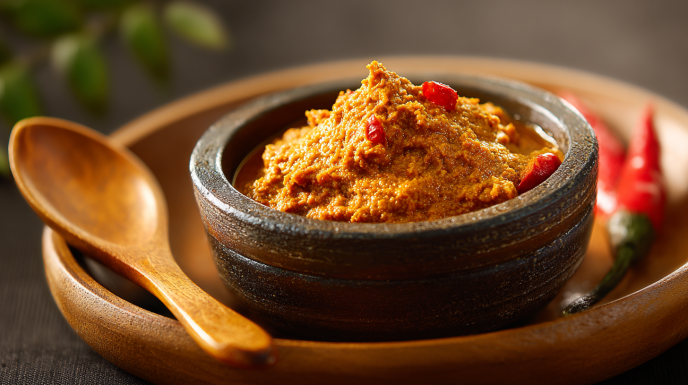
The texture of Mae Ploy Massaman Curry Paste tends to be smooth and well-integrated, making it easy to work with during cooking. Some brands produce pastes with more visible texture or varying consistency, which can affect how they incorporate into dishes and how evenly flavors distribute.
Recipe Ratios: Perfect Proportions for Mae Ploy Massaman Curry Paste
Getting the proportions right when using Mae Ploy Massaman Curry Paste can mean the difference between a good curry and an exceptional one. Understanding proper ratios helps home cooks achieve balanced flavors that showcase the paste’s complexity without overwhelming other ingredients or creating dishes that are too intense or too mild.
For a standard Massaman curry serving four people, 2-3 tablespoons of Mae Ploy Massaman Curry Paste typically provides the right flavor foundation. This amount works well with one 14-ounce can of coconut milk and approximately 1-1.5 pounds of protein, creating a well-balanced dish where the curry flavors enhance rather than dominate the other ingredients.
However, these proportions should be considered starting points rather than rigid rules. Individual taste preferences, the specific protein being used, and desired heat levels all influence the optimal amount of paste to use. Those new to curry cooking should start with the lower end of the range and adjust upward in future cooking sessions based on personal preference.
The type of coconut milk used also affects proportions. Full-fat coconut milk requires less curry paste to achieve the same flavor intensity compared to light coconut milk, which has been diluted and lacks the richness that helps carry flavors. When using light coconut milk, you might need to increase the curry paste slightly or add additional flavor elements to compensate for the reduced richness.
For those who prefer milder flavors, using 1.5-2 tablespoons of Mae Ploy Massaman Curry Paste per 14-ounce can of coconut milk creates a gentler introduction to Massaman flavors. This ratio works particularly well when cooking for mixed groups where heat tolerance varies, or when introducing children to curry flavors.
Conversely, curry enthusiasts who enjoy more intense flavors might use 3-4 tablespoons of paste per can of coconut milk, creating a more robust curry that delivers greater complexity and heat. This ratio works well when using proteins with strong flavors that can stand up to the increased curry intensity.
Vegetable curries often benefit from slightly higher ratios of curry paste, as vegetables generally have milder flavors than meats and can accommodate more aggressive seasoning. Using 3-3.5 tablespoons of Mae Ploy Massaman Curry Paste per can of coconut milk often produces better results when vegetables comprise the main ingredient.
Vegan Verification: Plant-Based Compatibility of Mae Ploy Massaman Curry Paste
For those following vegan diets, determining whether Mae Ploy Massaman Curry Paste aligns with plant-based eating requirements involves careful examination of ingredients and manufacturing processes. Traditional Thai curry pastes sometimes include animal-derived ingredients that might not be immediately obvious to consumers unfamiliar with Thai cooking ingredients.
The primary concern for vegans regarding Mae Ploy Massaman Curry Paste typically centers around shrimp paste, a common ingredient in many Thai curry pastes that provides umami depth and authentic flavor. Shrimp paste, made from fermented ground shrimp, is considered essential for authentic flavor in many traditional Thai recipes, but it obviously conflicts with vegan dietary requirements.
Mae Ploy Massaman Curry Paste ingredient lists should be carefully examined to determine whether shrimp paste or other animal-derived ingredients are included. Some formulations of Massaman paste may omit shrimp paste in favor of other umami sources, while others might include it as an essential flavor component. Reading the complete ingredient list provides the most reliable information for vegan consumers.
Beyond direct animal ingredients, vegans should also consider whether the paste contains any other animal-derived components such as fish sauce, which sometimes appears in commercial curry paste formulations. These ingredients might be listed under various names or as part of flavor compounds, making careful label reading essential.
For vegans who find that Mae Ploy Massaman Curry Paste contains animal ingredients, several alternatives exist. Some brands specifically manufacture vegan curry pastes, while others clearly label their products to indicate vegan compatibility. Additionally, making curry paste from scratch using only plant-based ingredients ensures complete control over the final product’s contents.
When Mae Ploy Massaman Curry Paste is vegan-friendly, it opens up numerous possibilities for plant-based curry creation. The complex spice blend provides an excellent foundation for vegetable curries, tofu dishes, and other plant-based proteins without requiring any modification or substitution.
Traditional Accompaniments: Essential Ingredients for Authentic Massaman Curry
Creating authentic Massaman curry using Mae Ploy Massaman Curry Paste involves understanding the traditional ingredients that complement and complete the curry experience. These additional elements transform the paste from a simple base into a complex, satisfying meal that honors Thai culinary traditions while providing complete nutrition and flavor satisfaction.
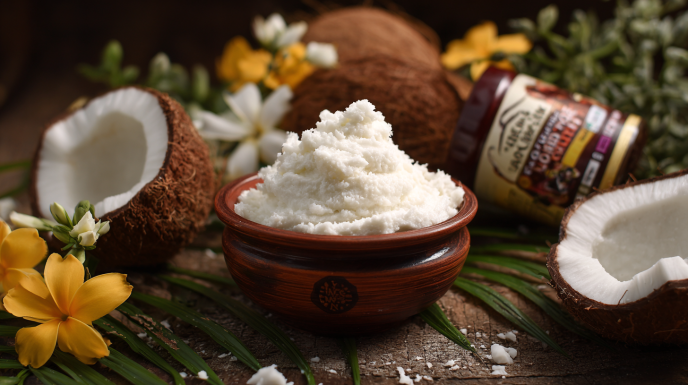
Coconut milk serves as the primary liquid component in Massaman curry, providing richness and helping to balance the heat and intensity of the curry paste. Traditional recipes call for thick coconut milk, which creates a richer, more luxurious texture than thin coconut milk or coconut cream. The fat content in coconut milk helps carry flavors and creates the smooth, velvety texture that characterizes well-made Massaman curry.
Palm sugar represents the traditional sweetening agent for Massaman curry, offering a complex sweetness that differs significantly from regular white sugar. Palm sugar provides subtle caramel notes and a less aggressive sweetness that balances the heat and spices without overwhelming other flavors. Brown sugar can substitute for palm sugar, though the flavor profile will be slightly different.
Fish sauce contributes essential umami depth and saltiness that rounds out the curry’s flavor profile. This fermented condiment provides the savory backbone that makes curry satisfying and complete. For those avoiding fish products, soy sauce or salt can provide similar salinity, though the specific umami character will differ.
Tamarind paste or juice adds the sour element that balances sweetness and heat in traditional Massaman curry. This ingredient provides complexity and prevents the curry from becoming cloying or one-dimensional. Lime juice can substitute for tamarind, though it provides a different type of acidity that changes the overall flavor balance.
Potatoes appear in many traditional Massaman curry recipes, providing substance and helping to absorb and distribute flavors throughout the dish. Waxy potatoes work better than russet varieties, as they hold their shape during the extended cooking time that Massaman curry typically requires.
Onions, while not always included in every version, add sweetness and depth when used. They should be added early in the cooking process to allow them to break down and integrate with the curry sauce, contributing to the overall complexity without remaining as distinct pieces.
Peanuts serve as a traditional garnish and ingredient, adding textural contrast and nutty flavor that complements the warming spices in Mae Ploy Massaman Curry Paste. Roasted peanuts work best, either added during cooking or used as a garnish just before serving.
Versatile Applications: Using Mae Ploy Massaman Curry Paste in Soups
The complex flavor profile of Mae Ploy Massaman Curry Paste makes it an excellent foundation for creating sophisticated soups that go far beyond traditional curry applications. The paste’s concentrated flavors and aromatic spices can transform simple broths into complex, satisfying soups that showcase Thai flavors in new and interesting ways.
Tom kha-style soups benefit tremendously from the addition of Mae Ploy Massaman Curry Paste, where the warming spices complement the traditional coconut milk and galangal base. Using 1-2 tablespoons of paste per quart of soup creates depth without overwhelming the delicate balance that makes tom kha special. The paste should be bloomed briefly in oil before adding coconut milk and other liquid components.
Noodle soups gain substantial character when Mae Ploy Massaman Curry Paste is incorporated into the broth. The paste works particularly well with rice noodles, where its complex flavors create a warming, satisfying meal perfect for cold weather. Start with small amounts of paste and build flavor gradually, as the concentrated nature can easily overwhelm delicate noodle soup balances.
Vegetable soups transform dramatically with the addition of curry paste, turning simple combinations into exotic, restaurant-quality dishes. Root vegetable soups particularly benefit from the warming spices, which complement the natural sweetness of vegetables like sweet potatoes, carrots, and squash. The paste should be sautéed with aromatics before adding vegetables and liquid.
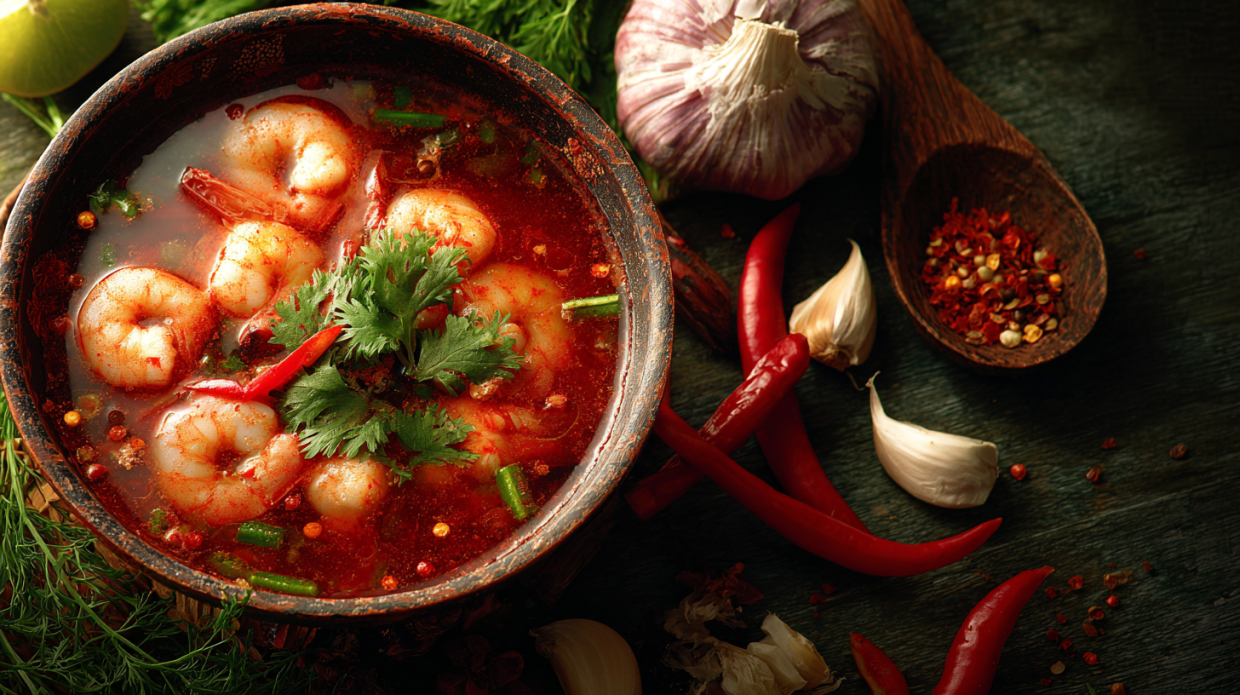
Seafood soups gain complexity and depth when Mae Ploy Massaman Curry Paste is used judiciously. The paste’s spices complement fish and shellfish beautifully, creating broths that are both comforting and sophisticated. Care should be taken not to overpower delicate seafood flavors, so starting with small amounts and tasting frequently ensures proper balance.
Lentil and bean soups benefit from the paste’s complex spicing, which elevates simple legumes into satisfying, flavorful meals. The earthiness of lentils pairs particularly well with the warming spices, creating hearty soups perfect for vegetarian dining. The paste should be added early in the cooking process to allow flavors to develop and integrate properly.
Cooking Fundamentals: Does Mae Ploy Massaman Curry Paste Need Cooking?
Understanding whether Mae Ploy Massaman Curry Paste requires cooking before consumption is fundamental to achieving optimal results and food safety. While the paste is technically edible straight from the container, proper cooking techniques unlock its full flavor potential and create the complex, layered tastes that make Massaman curry so appealing.
Mae Ploy Massaman Curry Paste should always be cooked before serving, both for optimal flavor development and food safety considerations. The cooking process, particularly the initial blooming in oil, releases essential oils from the spices and creates chemical reactions that develop deeper, more complex flavors than raw paste can provide.
The blooming process involves heating the paste in oil over medium heat while stirring constantly. This technique, fundamental to Thai cooking, allows the spices to release their aromatic compounds and begin developing the deep, rich flavors that characterize well-made curry. The paste is ready when it becomes fragrant and begins to darken slightly, typically after 3-5 minutes of cooking.
Skipping the cooking step results in curry that tastes flat and one-dimensional, lacking the depth and complexity that proper technique provides. Raw curry paste can also have an unpleasant, harsh quality that disappears with proper cooking, making this step essential rather than optional.
The cooking process also helps emulsify the paste with coconut milk or other liquids, creating smooth, cohesive sauces rather than separated mixtures. This emulsification is crucial for both texture and flavor distribution throughout the finished dish.
Food safety considerations also support cooking Mae Ploy Massaman Curry Paste before consumption. While the paste’s high salt content and concentrated nature make it relatively stable, cooking ensures any potential bacteria are eliminated and makes the final dish safe for consumption.
Flavor Architecture: Understanding Massaman’s Complex Taste Profile
The flavor profile of Mae Ploy Massaman Curry Paste represents one of the most complex and sophisticated combinations in Thai cuisine, incorporating elements from multiple culinary traditions to create something entirely unique. Understanding this complexity helps home cooks appreciate what they’re working with and make informed decisions about complementary ingredients and cooking techniques.
The foundation of Massaman flavor begins with the warming spices that distinguish it from other Thai curries. Cinnamon provides sweet warmth and subtle wood notes, while cardamom contributes floral complexity and aromatic intensity. Star anise adds licorice-like depth that bridges sweet and savory elements, creating layers of flavor that develop and change as the curry cooks.
Heat comes from dried chilies, but unlike other Thai curries where heat dominates, Massaman curry achieves balance through the moderating influence of sweet spices and aromatics. The heat builds gradually rather than hitting immediately, allowing diners to appreciate the complex flavor development before warmth settles in.
Citrus elements from lemongrass and kaffir lime peel provide brightness that prevents the curry from becoming too heavy or earthbound. These ingredients contribute fresh, clean notes that balance the rich coconut milk and warming spices, creating a more complex and interesting flavor experience.
Earthiness comes from galangal and ginger, which provide different types of warming heat that complement rather than compete with the dried chilies. These rhizomes contribute depth and complexity that regular black pepper or other heat sources cannot match, creating the distinctive Thai character that makes Mae Ploy Massaman Curry Paste special.
Umami depth typically comes from shrimp paste or fish sauce, providing the savory backbone that makes curry satisfying and complete. This element ties together the various flavor components and creates the rounded, full taste that characterizes well-balanced curry.
Sweetness, while not always added directly to the paste, becomes important in the finished curry through palm sugar or other sweetening agents. This element balances heat and acidity while complementing the natural sweetness in warming spices and aromatics.
Customization Techniques: Diluting Mae Ploy Massaman Curry Paste for Milder Flavors
For those who find Mae Ploy Massaman Curry Paste too intense in its concentrated form, several techniques can effectively moderate its flavors while maintaining the complex character that makes it special. Understanding these dilution methods helps home cooks adapt the paste to different taste preferences and dietary needs without sacrificing authenticity or satisfaction.
The most straightforward approach to diluting Mae Ploy Massaman Curry Paste involves using less paste relative to other ingredients. Rather than the standard 2-3 tablespoons per can of coconut milk, start with 1-1.5 tablespoons and build flavor gradually. This technique allows you to control intensity while learning your personal preference levels.
Increasing coconut milk quantity provides another effective dilution method. Using 1.5-2 cans of coconut milk with the standard amount of curry paste creates a milder, creamier curry that’s less intense but maintains flavor complexity. This approach works particularly well for those who enjoy rich, creamy curries without aggressive heat or spicing.
Adding sweet elements helps balance the curry paste’s intensity without simply watering down flavors. Palm sugar, brown sugar, or even a small amount of honey can moderate heat perception while complementing the warming spices naturally present in Mae Ploy Massaman Curry Paste. Start with small amounts and adjust gradually to avoid creating overly sweet results.
Dairy products, while not traditional in Thai cooking, can effectively moderate curry intensity for those who don’t strictly follow authentic preparations. A small amount of plain yogurt or cream can reduce heat perception while adding richness, though this changes the traditional flavor profile significantly.
Vegetables with high water content, such as zucchini or tomatoes, can help dilute curry intensity while adding nutrition and bulk to the finished dish. These vegetables release moisture during cooking, naturally moderating the concentrated flavors while contributing their own subtle tastes.
Acidic ingredients like lime juice or tamarind can help balance intensity by providing contrasting flavors that make the curry seem less overwhelming. Acid brightens the overall dish and can make intense flavors more approachable without requiring actual dilution.
The key to successful dilution lies in making gradual adjustments and tasting frequently. Mae Ploy Massaman Curry Paste has complex flavors that can change significantly with different dilution methods, so patience and careful tasting ensure the best results while maintaining the essential character that makes this paste special.
Understanding and working with Mae Ploy Massaman Curry Paste opens doors to a world of culinary possibilities that extend far beyond simple curry preparation. This remarkable paste represents generations of Thai culinary wisdom condensed into a convenient, accessible format that allows home cooks everywhere to experience authentic Thai flavors while exploring their own creative interpretations. Whether you’re preparing traditional Massaman curry for family dinner or experimenting with fusion applications that bridge culinary cultures, this paste provides the foundation for exceptional cooking that honors tradition while embracing innovation.